


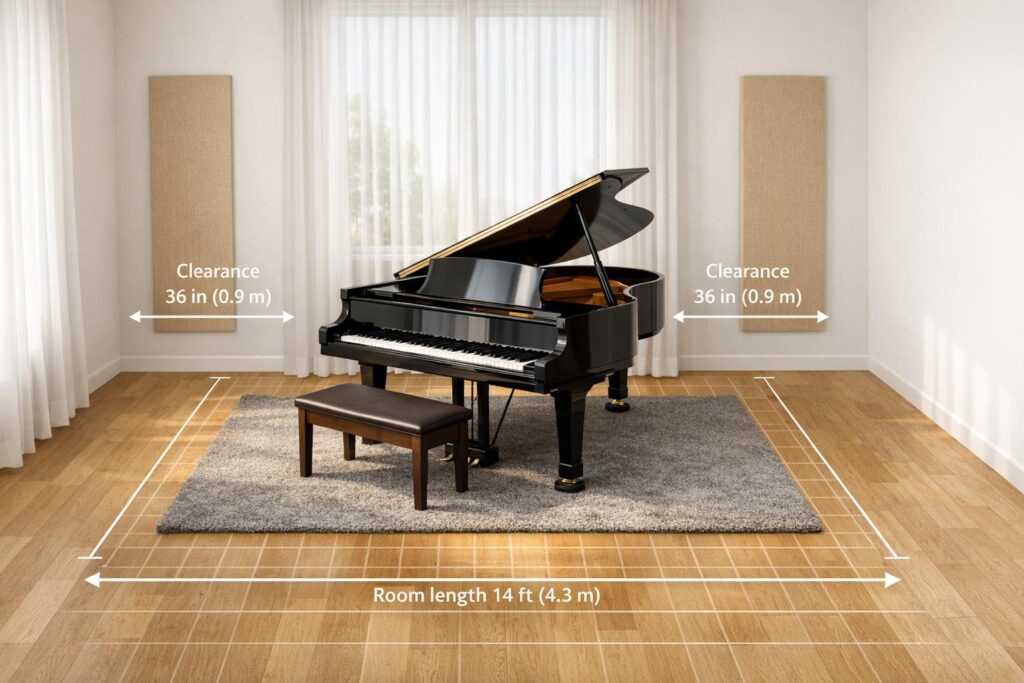

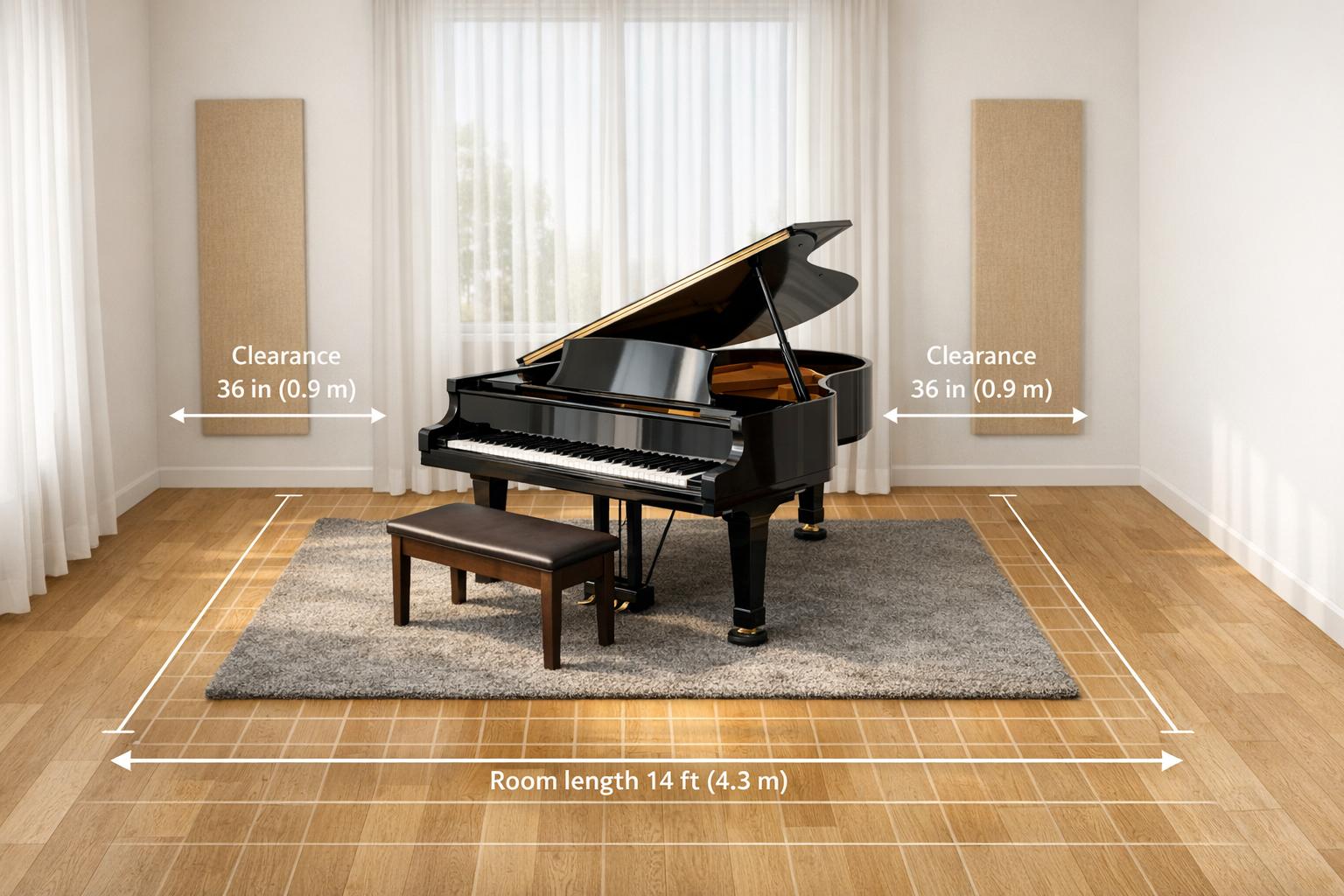

Plan Your Perfect Music Space with a Piano Room Size Planner
Designing a room for your piano isn’t just about fitting the instrument—it’s about creating a space where sound can shine. Whether you’re a beginner with a digital keyboard or a seasoned pianist with a grand, getting the dimensions right is key to both comfort and acoustics. A well-planned music area can transform how you play and hear every note.
Why Room Size Matters for Your Piano
Pianos, especially larger ones, need breathing room to project their sound properly. Too small a space, and the notes can feel compressed or muddy. Too large without proper treatment, and you might deal with unwanted echoes. That’s where a tool for calculating ideal layouts comes in handy. By factoring in your piano type and the room’s purpose, you can get a clear picture of the space you need. Add in details like extra furniture, and you’ll see a practical 2D sketch to guide your setup.
Quick Tips for Better Sound
Beyond size, small tweaks like soft furnishings or strategic placement away from hard walls can make a big difference. Start with a solid plan, and you’ll be on your way to a room that’s as inspiring as your music.
FAQs
What piano type should I choose for a small space?
If you’re working with a smaller room, an upright or digital piano is usually your best bet. They take up less floor space compared to a grand piano, which needs a larger area to avoid sound feeling cramped. Our tool will suggest minimum dimensions, but for an upright, you’re often fine with a room around 10×12 feet. Just make sure there’s a bit of space around it for movement and to let the sound breathe.
How does room purpose affect the recommended size?
The purpose of your room—whether it’s for casual practice, live performance, or recording—changes how much space and acoustic treatment you might need. For practice, a smaller, cozy room can work. But for recording or performance, you’ll want larger dimensions to capture a fuller sound and reduce echo. Our planner adjusts the output based on this input, so you’ll get a layout that matches your specific needs.
Can I trust the acoustic tips for professional use?
Absolutely, though keep in mind our tips are based on general acoustic guidelines. We suggest things like avoiding hard corners and placing rugs or curtains to dampen harsh echoes—solid advice for most setups. For professional recording studios, you might want to consult an acoustician for finer details, but our tool gives you a fantastic starting point to plan your space effectively.