




Discover the Power of Precision with a Piano Note to Frequency Converter
For musicians, audio engineers, and sound enthusiasts, understanding the relationship between musical notes and their frequencies is essential. Whether you’re tuning an instrument, designing a synth patch, or mixing a track, knowing the exact Hertz (Hz) value of a note can make all the difference. That’s where a tool to convert musical notes to frequencies comes in handy. It takes the guesswork out of the equation, delivering precise results in seconds.
Why Frequency Matters in Music
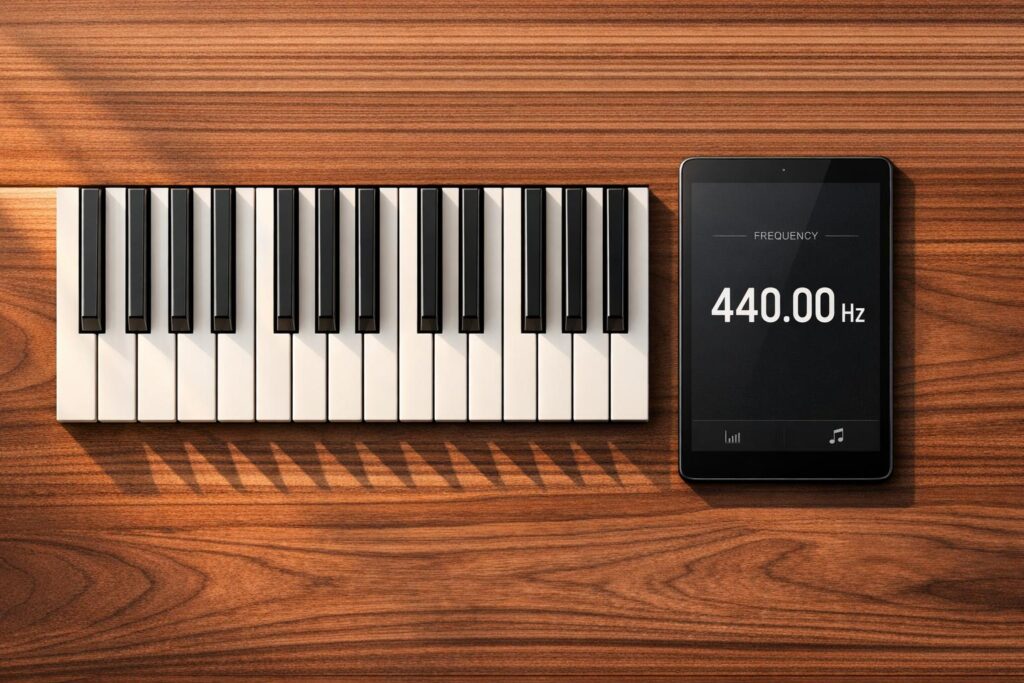
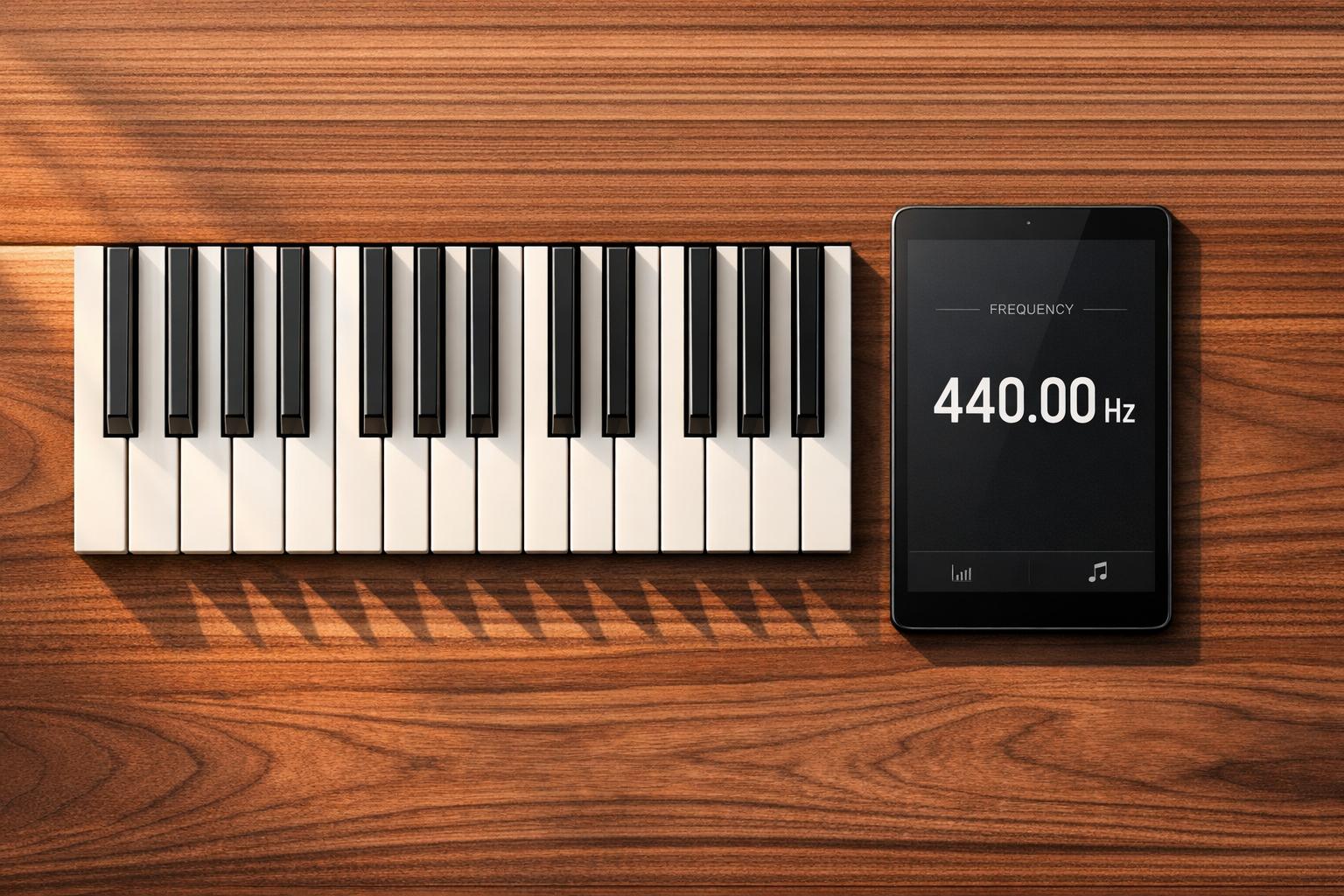
Every note on a piano or other instrument corresponds to a specific vibration rate, measured in Hz. For instance, the standard reference of A4 at 440 Hz is the foundation for modern tuning. By converting other notes to their corresponding values, you can ensure your music is perfectly in tune or experiment with sound design in a controlled way. This is especially useful for professionals working in studios or live settings, where accuracy is key.
A Tool for Every Musician
No matter your skill level, having access to a reliable conversion utility simplifies complex tasks. From beginners learning about pitch to experts fine-tuning equipment, this resource bridges the gap between theory and practice. Keep creating with confidence—your next masterpiece is just a note away!
FAQs
How does this tool calculate the frequency of a piano note?
Great question! We use the standard tuning where A4 is set at 440 Hz as the reference point. From there, the tool figures out the semitone distance between your input note and A4. Each semitone represents a step in frequency based on the 12-tone equal temperament scale, using the formula: frequency = 440 * (2^(n/12)), where ‘n’ is the number of semitones from A4. You’ll see the exact Hz value pop up, along with a little breakdown of how we got there.
Which piano notes can I convert with this tool?
You can convert any standard piano note from A0 all the way up to C8. That covers the full range of a typical 88-key piano. Just type in the note and octave (like B3 or F#5), or select it from our handy dropdown if you’re not sure of the notation. We’ve got you covered for every key on the board!
Is this tool useful for tuning instruments other than pianos?
Absolutely, it’s super versatile! While it’s based on piano note standards, the frequencies apply to any instrument using the same equal temperament tuning system—like guitars, violins, or synthesizers. If you’re a sound engineer or producer, you can also use these Hz values to fine-tune mixes or design sound patches. It’s a handy little helper no matter what you’re working on.